10 Best Parenting Books 2026: A Short List for Busy Parents

If you don't have time for our 30-book deep dive, here is the curated short list. Ten parenting books that actually mattered in 2024 and 2025, picked specifically for parents who want one good idea per night of reading, not a five-year syllabus. No revolutionary frameworks. No 400-page treatises. Just the books that therapists, pediatricians, and other parents are quietly recommending in 2026.
These authors share something most parenting writers don't: cultural reach. They show up on podcasts, in Substack inboxes, and in pediatrician waiting rooms. When a friend at school pickup mentions a book this year, it is probably one of these ten. Read three of them and you will have a coherent, current parenting philosophy. Read all ten and you will have read more parenting books than 95% of parents alive today. That is enough.
The 10 Books
- Good Inside — Dr. Becky Kennedy
- The Anxious Generation — Jonathan Haidt
- The 5 Principles of Parenting — Dr. Aliza Pressman
- Brain-Body Parenting — Mona Delahooke
- The Self-Driven Child — Stixrud & Johnson
- Hunt, Gather, Parent — Michaeleen Doucleff
- The Emotional Lives of Teenagers — Lisa Damour
- The Opt-Out Family — Erin Loechner
- Raising Good Humans Every Day — Hunter Clarke-Fields
- The Whole-Brain Child — Siegel & Bryson
Why These 10? (Our 2026 Criteria)
We applied three filters. First, sustained traction in 2024-2026—bestseller status, podcast presence, or repeat recommendations from clinicians. Second, actionable frameworks—ideas you can use Wednesday night, not after finishing a 10-week book club. Third, cultural relevance now—books that wrestle with screens, AI, anxiety, and the kind of parenting questions that did not exist when most older classics were written. A few timeless picks made the cut anyway, because some problems do not change.
1. Good Inside
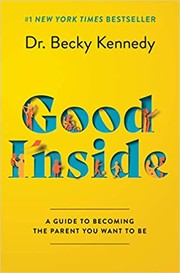
Good Inside: A Guide to Becoming the Parent You Want to Be
Dr. Becky's core idea is that children are not behaviors to fix—they are people with feelings underneath the meltdown. The book turns abstract empathy into concrete scripts: what to say when your kid hits, refuses dinner, or melts down at bedtime. Her "two things are true" framework alone is worth the price of the book.
2. The Anxious Generation
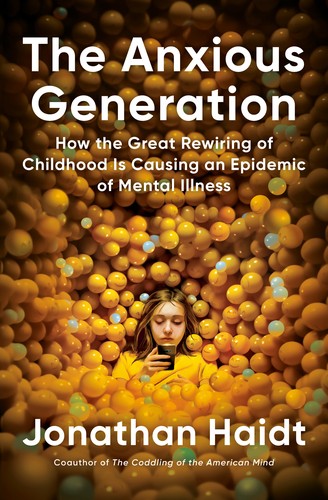
The Anxious Generation: How the Great Rewiring of Childhood Is Causing an Epidemic of Mental Illness
Haidt makes the case that the smartphone-based childhood has rewired adolescence and triggered a teen mental health crisis. He proposes four norms: no smartphones before high school, no social media before 16, phone-free schools, and more independent play. The data is alarming, but the prescription is unusually concrete.
3. The 5 Principles of Parenting
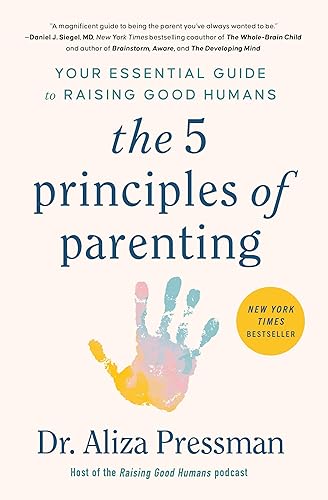
The 5 Principles of Parenting: Your Essential Guide to Raising Good Humans
Dr. Pressman, a developmental psychologist at Mount Sinai, distills 20 years of clinical work into five principles: relationship, reflection, regulation, rules, and repair. The book is short, the framework sticks, and the "repair" chapter alone reframes how to handle the moments you wish you had handled better.
4. Brain-Body Parenting
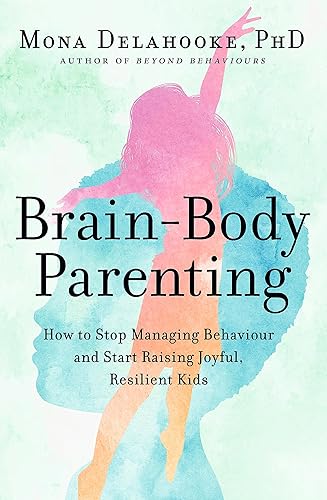
Brain-Body Parenting: How to Stop Managing Behavior and Start Raising Joyful, Resilient Kids
Delahooke argues that most "behavior problems" are really nervous system states—a child in fight-or-flight cannot reason. The book teaches parents to read the body before judging the behavior. Once you see it, you cannot unsee it. Especially useful for sensitive, intense, or neurodivergent kids.
5. The Self-Driven Child
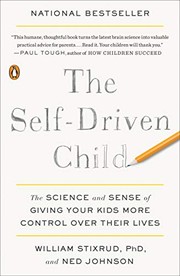
The Self-Driven Child: The Science and Sense of Giving Your Kids More Control Over Their Lives
A neuropsychologist and a test-prep expert team up to argue that the antidote to anxious, exhausted kids is autonomy. The book reframes the parent's role from manager to consultant. Practical, research-backed, and a relief if you are tired of being the family CEO.
6. Hunt, Gather, Parent
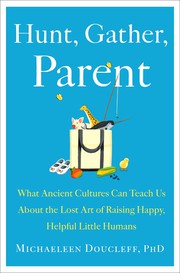
Hunt, Gather, Parent: What Ancient Cultures Can Teach Us About the Lost Art of Raising Happy, Helpful Little Humans
Doucleff visits Maya, Inuit, and Hadzabe families to ask why their kids cooperate without bribes or yelling. The answer involves less control, more inclusion in real work, and treating anger as a teaching failure rather than a parenting tool. Both a travel memoir and a quietly radical parenting book.
7. The Emotional Lives of Teenagers
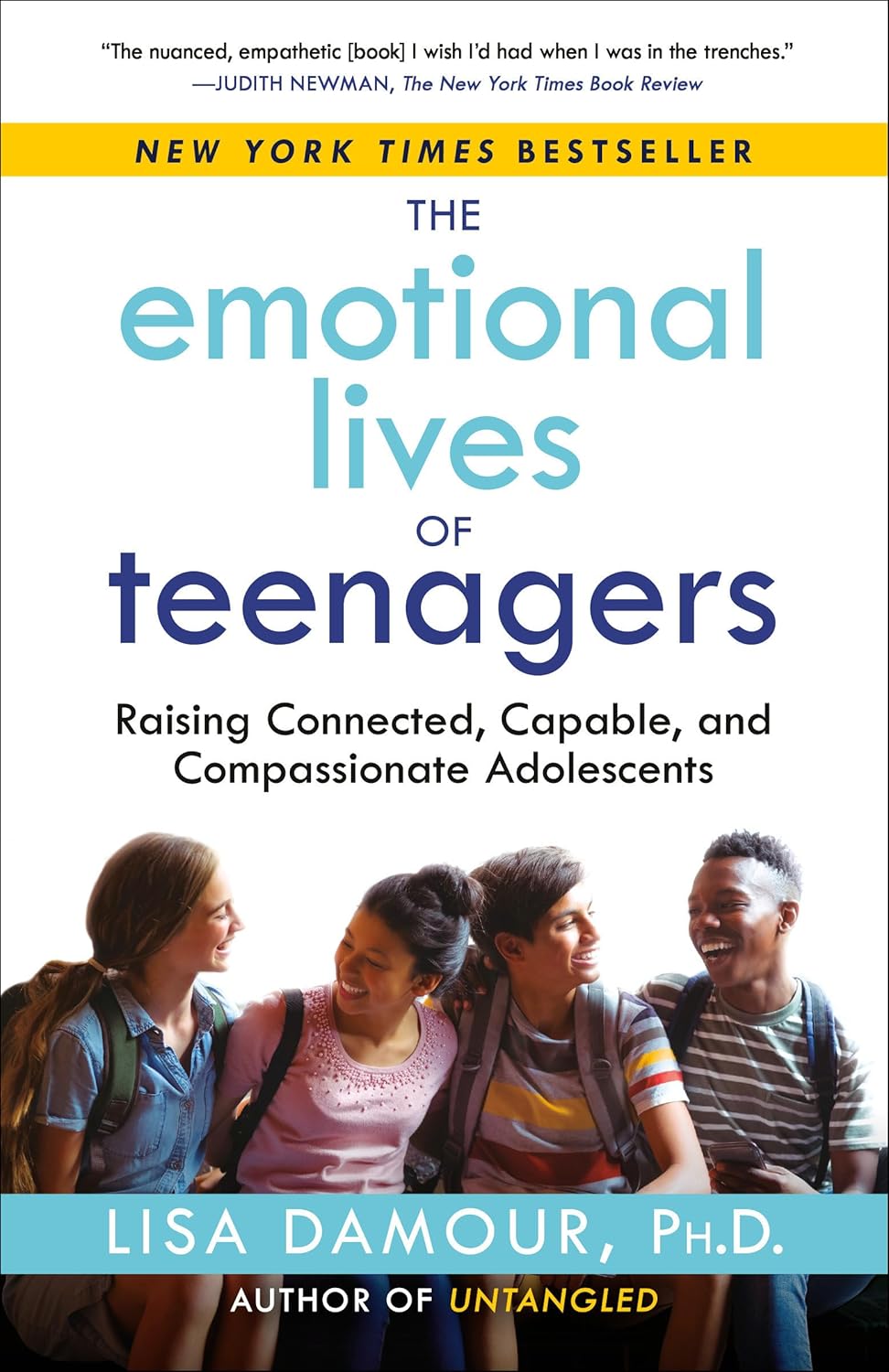
The Emotional Lives of Teenagers: Raising Connected, Capable, and Compassionate Adolescents
Damour normalizes the emotional turbulence of adolescence without dismissing it. She teaches parents the difference between distress that needs intervention and distress that just needs witnessing. If you have ever wondered "is this normal teen stuff or do we need help?", this is the book.
8. The Opt-Out Family
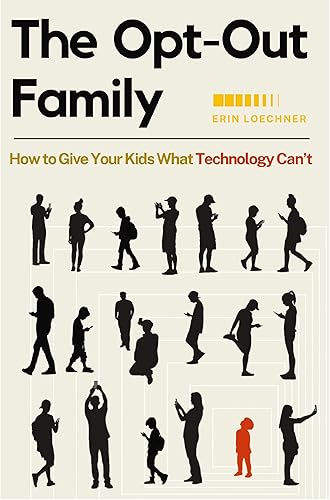
The Opt-Out Family: How to Give Your Kids What Technology Can't
Loechner's family went largely tech-free for a decade and lived to tell about it. The book is less polemic and more playbook—how to build a household where boredom, books, and outdoor time hold their own against algorithms. A pragmatic counterpoint to Haidt: fewer charts, more recipes for real Tuesday nights.
9. Raising Good Humans Every Day
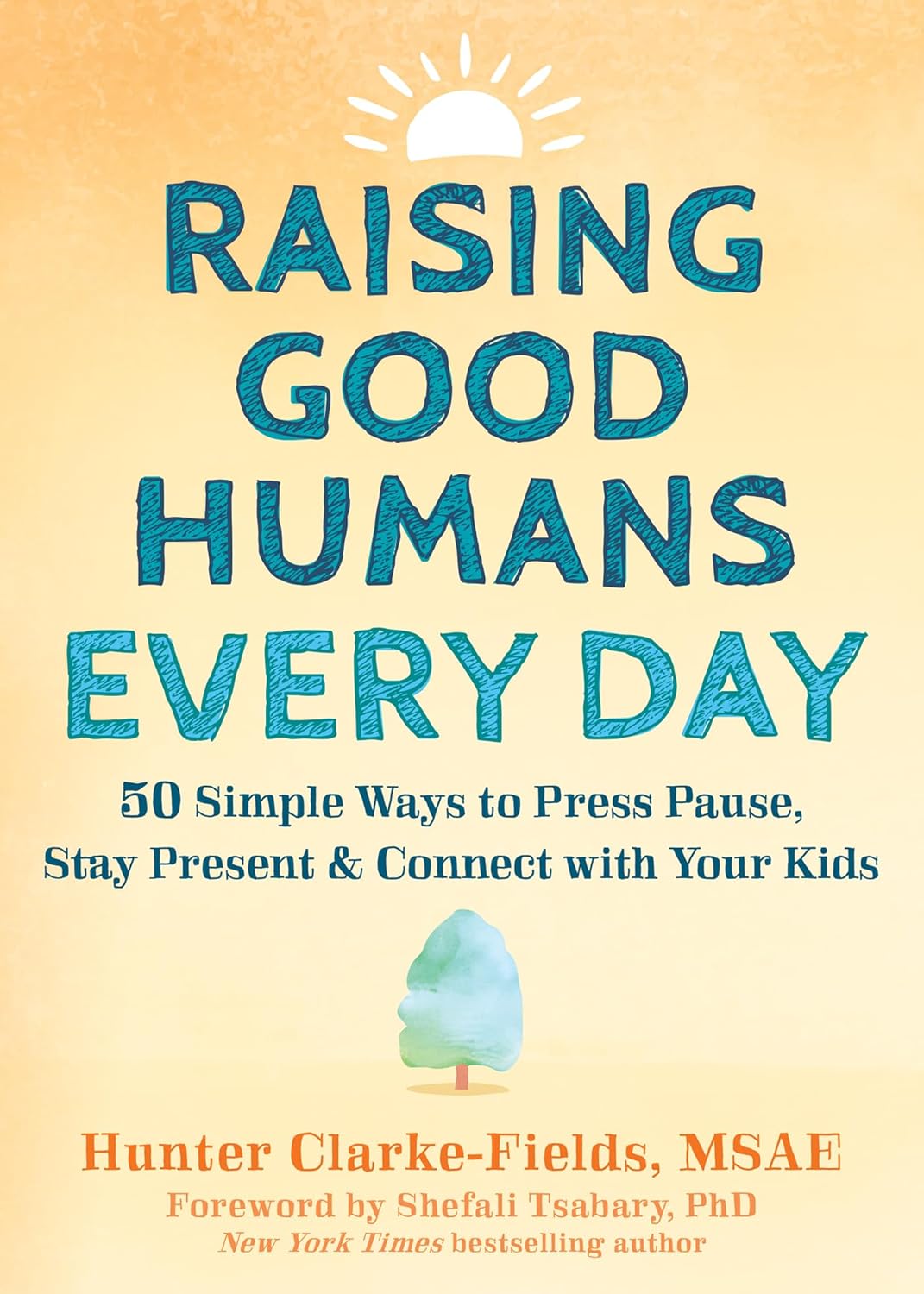
Raising Good Humans Every Day: 50 Simple Ways to Press Pause, Stay Present & Connect with Your Kids
A daily-practice companion to the original Raising Good Humans. Each short chapter offers one mindful habit—most take five minutes—designed to interrupt the reactive cycle most parents fall into by 6pm. Great for parents who don't have time to absorb a whole framework but can manage one tiny shift this week.
10. The Whole-Brain Child
The Whole-Brain Child: 12 Revolutionary Strategies to Nurture Your Child's Developing Mind
The one timeless pick. "Name it to tame it" and "connect and redirect" have entered the general parenting vocabulary because they actually work. Almost every newer book on this list builds on Siegel and Bryson's neuroscience. If you read one book before the others, read this one—the rest will land harder afterward.

FAQ
What is the best parenting book in 2026?
For a current pick, Good Inside by Dr. Becky Kennedy and The Anxious Generation by Jonathan Haidt dominated 2024-2026 conversations. For a foundational pick that nothing else has replaced, it is still The Whole-Brain Child.
Which of these books address screen time and AI?
The Anxious Generation (Haidt, 2024) is the definitive book on smartphones and youth mental health. The Opt-Out Family (Loechner, 2024) is the practical companion for families navigating the AI era.
Are these books appropriate for parents of teenagers?
Yes. The Emotional Lives of Teenagers and The Self-Driven Child are specifically for adolescents. The Anxious Generation also focuses on tweens and teens.
Where can I find a longer list?
Our 30 Best Parenting Books deep dive covers habit science, brain development, communication, discipline, and cultural perspectives.
How were these 10 books selected?
Three filters: sustained traction in 2024-2026, recommendations from clinicians and educators, and actionable frameworks parents can use this week—not after a 10-week study group.
Read More
If any of these books resonated, three more reads from the blog that pair well:
- 30 Best Parenting Books for Building Good Habits (2026) — the full deep dive with categories and reviews.
- The 21-Day Myth: How Long It Really Takes to Form a Habit — the science behind why most parenting advice underestimates the timeline.
- 7 Chores 5-Year-Olds Actually Finish (Tested by 200 Real Families, 2026) — applying Doucleff's "include them in real work" idea in your own kitchen.
Turn reading into actual routines
Family Checklist helps you take ideas from these books and turn them into daily habits, with visual tracking for every kid in the house.
Get Family Checklist Free