The 30 Best Parenting Books of All Time, Ranked (Toddler to Teen)

What makes a child develop lasting good habits? I've read hundreds of parenting books and selected these 30—backed by research in psychology, neuroscience, and child development—as the best resources for raising responsible, self-motivated kids. Each book has been personally reviewed with actionable insights for building family routines that stick.
Categories
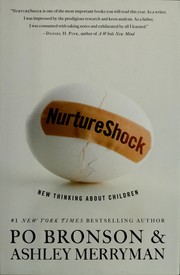
NurtureShock: New Thinking About Children
This groundbreaking book challenges conventional parenting wisdom with cutting-edge research from child development studies. Each chapter tackles a different assumption—from why praising intelligence backfires, to why kids lie (hint: it's a sign of cognitive development), to why the "Baby Einstein" approach doesn't work. Bronson and Merryman synthesize hundreds of studies into practical insights that will make you rethink everything you thought you knew about raising kids.
The book cites research showing that praising children for being "smart" actually decreases their willingness to take on challenges. Praise specific effort instead.
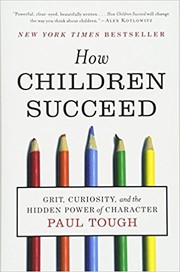
How Children Succeed: Grit, Curiosity, and the Hidden Power of Character
Journalist Paul Tough investigates why some children succeed despite difficult circumstances while others with every advantage struggle. Drawing on neuroscience research about how stress affects the developing brain, he argues that "non-cognitive skills"—persistence, curiosity, conscientiousness, and self-control—matter more than IQ. The book follows educators and researchers who are finding ways to cultivate these traits in children from all backgrounds.
Tough emphasizes that character is built through facing and overcoming manageable challenges, not through protection from all difficulty.
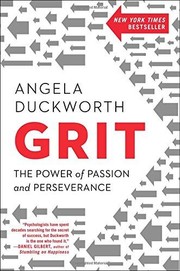
Grit: The Power of Passion and Perseverance
University of Pennsylvania psychologist Angela Duckworth spent years studying West Point cadets, spelling bee champions, and successful professionals to understand what separates high achievers from everyone else. Her research reveals that "grit"—a combination of passion and perseverance—predicts success better than talent or IQ. The book provides concrete strategies for developing grit in yourself and your children, including why interest must come before practice.
Duckworth's "Hard Thing Rule" from Chapter 11: Everyone in the family commits to one hard thing that requires daily practice. You can quit, but not on a bad day.
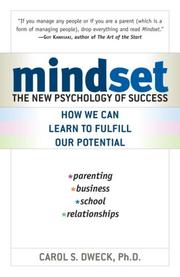
Mindset: The New Psychology of Success
After decades of research at Stanford, Carol Dweck discovered that people's beliefs about their abilities profoundly affect their success. Those with a "fixed mindset" believe talent is innate; those with a "growth mindset" believe abilities can be developed through effort. Her studies show that the language we use with children—praising effort vs. praising intelligence—shapes which mindset they develop. This insight has transformed classrooms and parenting approaches worldwide.
Dweck's research shows that praising "You worked really hard" instead of "You're so smart" helps children embrace challenges rather than avoid them.
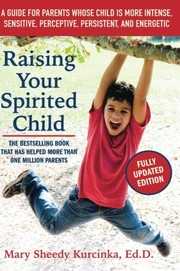
Raising Your Spirited Child: A Guide for Parents Whose Child Is More Intense, Sensitive, Perceptive, Persistent, and Energetic
Child development specialist Mary Sheedy Kurcinka reframes "difficult" children as "spirited"—kids who are more intense, sensitive, perceptive, persistent, and energetic than average. Rather than trying to change these traits, she teaches parents to work with their child's temperament. The book includes practical tools for identifying your child's triggers, managing transitions, and turning intensity into a lifelong strength. Over a million parents have used this approach.
Kurcinka emphasizes that spirited children need more preparation for transitions and changes. Give advance warnings and build longer wind-down routines into daily habits.
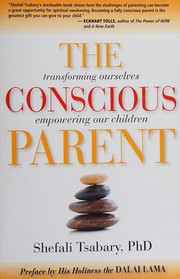
The Conscious Parent: Transforming Ourselves, Empowering Our Children
Clinical psychologist Dr. Shefali Tsabary, endorsed by Oprah Winfrey as a "revolutionary" voice in parenting, challenges parents to look inward before trying to change their children. She argues that our kids trigger our unresolved emotional issues, and that true parenting transformation happens when we address our own patterns first. The book blends Eastern philosophy with Western psychology to offer a different paradigm for the parent-child relationship.
Dr. Tsabary emphasizes that children mirror our unconscious patterns. Working on your own self-awareness naturally models the habits you want your children to develop.
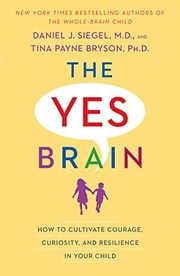
The Yes Brain: How to Cultivate Courage, Curiosity, and Resilience in Your Child
From the authors of The Whole-Brain Child comes this guide to developing what they call a "Yes Brain"—a state of openness, curiosity, and resilience—versus a "No Brain" state of reactivity and fear. Using neuroscience research, Siegel and Bryson explain how to build four key qualities: balance, resilience, insight, and empathy. The book includes practical strategies for helping children (and parents) shift from reactive to receptive states.
The authors explain that a "Yes Brain" develops when children feel safe enough to take risks. Balance challenge with support to build the habit of approaching new things with curiosity.
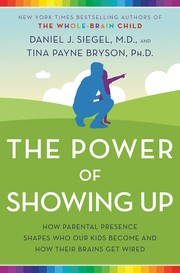
The Power of Showing Up
Siegel and Bryson distill decades of attachment research into one powerful insight: the single best predictor of how children turn out is whether they had at least one person who consistently "showed up" for them. The book introduces the four S's framework—helping children feel Safe, Seen, Soothed, and Secure—and shows that you don't have to be perfect, just present. Even parents who had difficult childhoods can break the cycle.
The authors emphasize that consistency matters more than perfection. Being present—physically and emotionally—creates the secure base children need to develop their own habits.
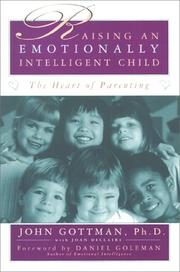
Raising An Emotionally Intelligent Child
Renowned relationship researcher John Gottman, famous for his "Love Lab" studies on marriage, turns his attention to parenting. Based on research with families, he identifies "emotion coaching" as the approach that produces the most emotionally intelligent children. The book outlines five steps: being aware of your child's emotions, recognizing emotional moments as opportunities, listening with empathy, helping children label feelings, and setting limits while exploring solutions.
Gottman's research shows that naming emotions ("You seem frustrated") helps children develop self-awareness. Make this a daily habit during difficult moments.
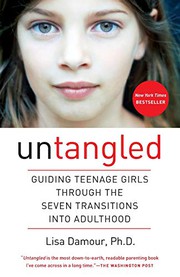
Untangled: Guiding Teenage Girls Through the Seven Transitions into Adulthood
Clinical psychologist Lisa Damour, a New York Times bestselling author and consultant for the movie Inside Out 2, maps the seven developmental transitions that turn girls into women: parting with childhood, joining a new tribe, harnessing emotions, contending with adult authority, planning for the future, entering the romantic world, and caring for herself. Each chapter helps parents distinguish between normal development and warning signs that require intervention.
Damour explains that teenage pushback against parents is developmentally normal. Maintain influence by setting firm boundaries on safety while allowing autonomy in less critical areas.
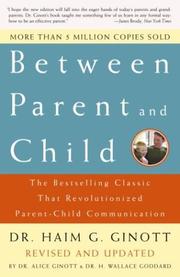
Between Parent and Child
This 1965 classic is where modern positive parenting began. Child psychologist Haim Ginott pioneered the communication techniques that would influence nearly every parenting book since—including How to Talk So Kids Will Listen, whose authors studied directly with him. Ginott introduced revolutionary concepts: acknowledging feelings before addressing behavior, describing problems without attacking character, and the power of offering choices. Despite being written decades ago, the advice remains remarkably relevant.
Ginott's key technique: describe what you see without judgment. "I see a wet towel on the bed" works better than "Why are you so messy?" This builds responsibility without shame.
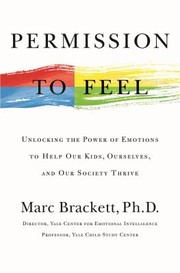
Permission to Feel: Unlocking the Power of Emotions to Help Our Kids, Ourselves, and Our Society Thrive
Marc Brackett, founding director of the Yale Center for Emotional Intelligence, shares the RULER method he developed over two decades of research. RULER stands for Recognizing, Understanding, Labeling, Expressing, and Regulating emotions—a framework now used in thousands of schools worldwide. Brackett reveals how his own childhood experiences shaped his mission and provides practical tools for teaching emotional intelligence at home. Research shows RULER improves academic performance, reduces anxiety, and strengthens relationships.
Brackett's "Mood Meter" tool: Daily check-ins where children identify their energy level and pleasantness builds emotional vocabulary and self-awareness over time.
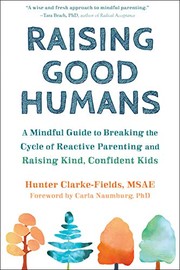
Raising Good Humans
Mindfulness teacher Hunter Clarke-Fields, host of the popular Mindful Mama podcast, offers a practical guide to breaking the cycle of reactive parenting. Drawing on mindfulness practices and communication techniques, she shows parents how to pause before reacting, manage their own triggers, and respond thoughtfully in difficult moments. The book includes guided meditations and exercises to help parents develop the self-regulation they want to model for their children.
Clarke-Fields emphasizes that parental self-regulation is the foundation. When you practice pausing before reacting, you model the self-control you want your children to develop.
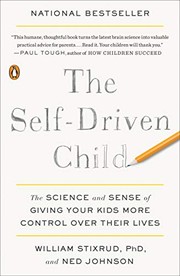
The Self-Driven Child: The Science and Sense of Giving Your Kids More Control Over Their Lives
Clinical neuropsychologist William Stixrud and renowned test-prep expert Ned Johnson present compelling research that the key to motivation isn't pushing harder—it's giving children more control. They explain how a sense of control reduces stress hormones and activates the prefrontal cortex, the brain's decision-making center. The book offers a framework for shifting from "controlling parent" to "consultant," helping children develop the internal motivation that leads to lasting success.
Stixrud and Johnson recommend becoming a "consultant" rather than a "manager." Offer guidance and let children make age-appropriate decisions to build the habit of self-direction.
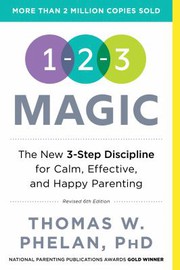
1-2-3 Magic: Gentle 3-Step Child & Toddler Discipline
Clinical psychologist Thomas Phelan created this straightforward discipline system used by millions of parents worldwide. The approach divides behavior into "Stop" behaviors (things you want kids to stop doing) and "Start" behaviors (things you want them to begin). For Stop behaviors, you simply count to three with calm, no-emotion delivery. The key insight: talking and explaining actually makes discipline less effective. Over 1.8 million copies sold.
Phelan's core principle: "No talking, no emotion." Calm, consistent enforcement builds habits faster than lengthy lectures or explanations.
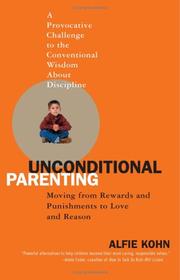
Unconditional Parenting: Moving from Rewards and Punishments to Love and Reason
Education researcher Alfie Kohn presents a provocative challenge to conventional parenting wisdom: rewards, punishments, and even praise may be doing more harm than good. Drawing on decades of psychological research, he argues that these "doing to" strategies teach children to seek approval rather than develop intrinsic motivation. Instead, he advocates for "working with" children—focusing on their needs, involving them in decisions, and trusting their capacity to grow. A thought-provoking read that will challenge your assumptions.
Kohn's research suggests that external rewards can undermine internal motivation. Focus on helping children understand why habits matter to them, not just on earning rewards.
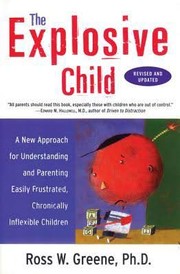
The Explosive Child: A New Approach for Understanding and Parenting Easily Frustrated, Chronically Inflexible Children
Harvard psychologist Ross Greene revolutionized how we understand difficult children with one simple insight: "Kids do well if they can." When children act out, it's not because they won't behave—it's because they lack the skills to handle frustration, flexibility, or problem-solving in that moment. His Collaborative and Proactive Solutions (CPS) model, now used in homes, schools, and juvenile facilities worldwide, teaches parents to identify lagging skills and work with children to solve problems together rather than imposing punishments.
Greene's key principle: challenging behavior signals a lagging skill, not a character flaw. Identify the skill gap and teach it, rather than punishing the behavior.
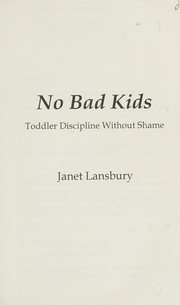
No Bad Kids: Toddler Discipline Without Shame
Janet Lansbury, one of the most trusted voices in toddler parenting, brings the RIE (Resources for Infant Educarers) philosophy to a wider audience. Developed by infant specialist Magda Gerber, RIE treats even the youngest children with respect while setting firm, clear boundaries. Lansbury shows how to stay calm during tantrums, set limits without shame, and trust children's innate drive to learn. Her popular podcast and blog have helped millions of parents navigate the toddler years with confidence.
Lansbury's formula: acknowledge the feeling, then set the limit. "You want to throw the block, but I won't let you throw it at your sister." This builds self-regulation without shame.
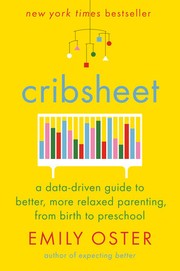
Cribsheet: A Data-Driven Guide to Better, More Relaxed Parenting
Brown University economist Emily Oster became a parenting sensation with her data-driven approach to pregnancy and early childhood. In Cribsheet, she tackles the conflicting advice around sleep training, breastfeeding, screen time, potty training, and more by examining the actual research behind each recommendation. Her conclusion: many parenting "rules" aren't backed by strong evidence, and parents have more flexibility than they think. The book empowers parents to make decisions based on data and their own family's needs rather than guilt and fear.
Oster shows that many parenting "rules" lack strong evidence. Understanding the actual data helps you establish routines confidently, without unnecessary guilt.
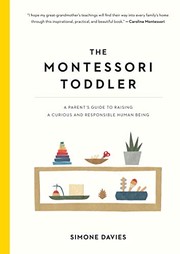
The Montessori Toddler
Montessori teacher Simone Davies created this beautifully illustrated guide to bringing Montessori principles into your home. Rather than focusing on expensive materials, Davies emphasizes the philosophy: respecting the child, following their interests, and preparing an environment that supports independence. The book covers everything from setting up your home with child-accessible spaces to handling tantrums with calm confidence. Practical, visually appealing, and filled with specific ideas you can implement immediately.
Davies emphasizes designing your environment for independence: low hooks for coats, child-sized cleaning tools, accessible snack stations. When the environment supports success, habits form naturally.
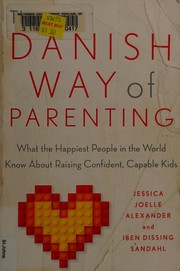
The Danish Way of Parenting
Denmark consistently ranks among the happiest countries in the world, and this book explores why—starting with how Danes raise their children. American-Danish author Jessica Alexander and Danish psychotherapist Iben Sandahl identify six principles (P-A-R-E-N-T): Play, Authenticity, Reframing, Empathy, No ultimatums, and Togetherness. The book reveals cultural practices Americans might find surprising: less praise, more free play, and a focus on building resilience through challenges rather than protecting children from difficulty.
The "Reframing" principle: help children see setbacks as learning opportunities. Instead of "I failed," teach them to say "I learned what doesn't work."
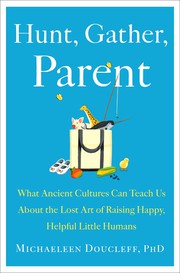
Hunt, Gather, Parent
NPR science correspondent Michaeleen Doucleff traveled with her 3-year-old to Maya villages in Mexico, Inuit communities in the Arctic, and Hadzabe camps in Tanzania to understand why children in these cultures are remarkably helpful, calm, and cooperative—without yelling, timeouts, or rewards. What she discovered challenges Western assumptions about child development. These communities include children in real adult work from toddlerhood, creating what the Maya call "acomedido"—the habit of noticing what needs to be done and doing it without being asked.
Doucleff learned that helpfulness is cultivated, not commanded. Include children in real household tasks from a young age, and resist the urge to exclude them because it's "easier."
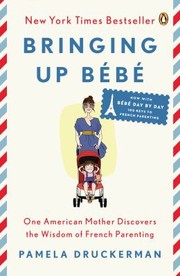
Bringing Up Bébé
American journalist Pamela Druckerman was living in Paris when she noticed something remarkable: French children slept through the night at three months, ate vegetables without complaint, and sat calmly in restaurants. Her investigation into French parenting reveals key differences: the "cadre" (framework) of firm boundaries within which children have freedom, teaching "patience" as a skill from infancy, and the belief that children can handle (and benefit from) frustration. Part memoir, part cultural study, and entirely engaging.
Druckerman's key discovery: "the pause." French parents wait before responding to every cry, teaching children to self-soothe and develop frustration tolerance from the earliest age.
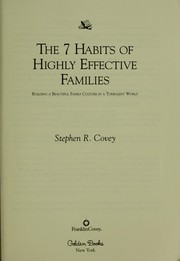
The 7 Habits of Highly Effective Families
Leadership expert Stephen Covey, author of the iconic 7 Habits of Highly Effective People, applies his principles to what he considers the most important organization of all: the family. The book introduces powerful concepts like creating a family mission statement (what does your family stand for?), holding weekly family meetings, and the emotional bank account (deposits of trust through keeping promises and quality time). Covey argues that proactive habits and shared values are the foundation of a strong family culture.
Covey recommends weekly family meetings to create rhythm for connection and problem-solving. When everyone has a voice in creating family habits, buy-in increases dramatically.
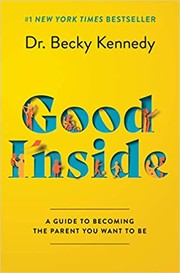
Good Inside: A Guide to Becoming the Parent You Want to Be
Clinical psychologist Dr. Becky Kennedy became a parenting phenomenon through her Instagram presence before releasing this #1 New York Times bestseller. TIME magazine called her "The Millennial Parenting Whisperer." Her core philosophy: children are "good inside," and misbehavior is a signal they need help, not punishment. Kennedy provides scripts for common challenges and introduces concepts like "repair" (how to reconnect after you've lost your cool) and "most generous interpretation" (assuming the best about your child's intentions).
Kennedy's signature phrase: "Two things are true." Validate feelings AND hold the boundary: "You don't want to brush your teeth AND it's time to brush."
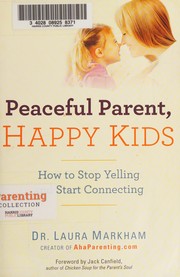
Peaceful Parent, Happy Kids: How to Stop Yelling and Start Connecting
Clinical psychologist Dr. Laura Markham, founder of the popular AhaParenting.com website, presents a three-part approach: Regulating Yourself (you can't calm a child if you're not calm), Fostering Connection (children cooperate when they feel connected), and Coaching Not Controlling (guiding rather than punishing). The book provides specific scripts for everything from morning routines to sibling fights, with a focus on helping parents break the cycle of yelling. Markham's warmth and practicality make this an easy read to return to again and again.
Markham's principle: connection before correction. Daily "special time" (even 10 minutes of one-on-one attention) fills children's connection tank and reduces power struggles throughout the day.
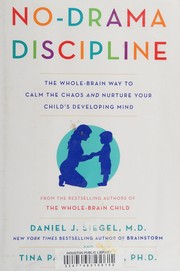
No-Drama Discipline: The Whole-Brain Way to Calm the Chaos
Siegel and Bryson follow up their bestseller The Whole-Brain Child with this deep dive into discipline. They redefine discipline as "teaching" (its original Latin meaning) rather than punishment, and explain why traditional consequences often backfire. The book introduces the "connect and redirect" approach: when children are emotionally flooded, their thinking brain goes offline, so connecting first ("I see you're really upset") allows the brain to become receptive to redirection. Packed with illustrations and age-specific strategies.
The authors explain that when children are flooded with emotion, their "upstairs brain" goes offline. Connect first, redirect once they're calm. This builds the habit of co-regulation.
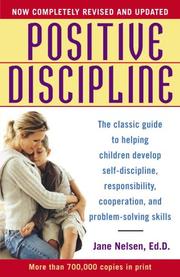
Positive Discipline
Jane Nelsen's foundational work, based on the theories of Alfred Adler and Rudolf Dreikurs, has been helping parents for over 40 years. The core principle: discipline that is both firm AND kind. Nelsen rejects the false choice between punishment (firm but not kind) and permissiveness (kind but not firm). The book introduces practical tools like family meetings, routine charts, natural consequences, and offering limited choices. These techniques give children a sense of belonging and significance while teaching self-discipline. A must-read classic.
Nelsen's tools—family meetings, routine charts, limited choices—give children ownership over their habits. When they help create the rules, they're more invested in following them.
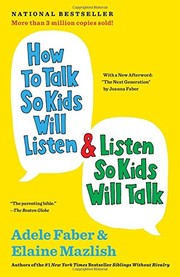
How to Talk So Kids Will Listen & Listen So Kids Will Talk
Called "The Parenting Bible" by The Boston Globe, this book has sold over 4 million copies worldwide since 1980. Authors Adele Faber and Elaine Mazlish studied directly with Haim Ginott and distilled his approach into accessible techniques with comic-strip illustrations. The book covers engaging cooperation, alternatives to punishment, encouraging autonomy, using praise effectively, and freeing children from playing roles. Each chapter includes exercises for practice. Despite being written decades ago, the techniques remain remarkably effective and form the foundation of most modern parenting approaches.
The authors' key technique: acknowledge feelings before addressing behavior. "It's hard to stop playing" comes before "And it's time for dinner." When children feel heard, cooperation follows.
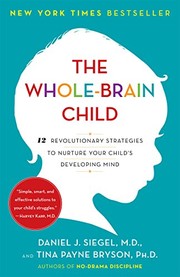
The Whole-Brain Child: 12 Revolutionary Strategies to Nurture Your Child's Developing Mind
My #1 pick is this groundbreaking collaboration between neuropsychiatrist Daniel Siegel (UCLA) and psychotherapist Tina Payne Bryson. The book explains how the brain develops and why children act the way they do at different ages. More importantly, it provides 12 concrete strategies—illustrated with comics and age-appropriate examples—for turning everyday challenges into opportunities for brain development. Concepts like "integration" (connecting the logical left brain with the emotional right brain) and "Name it to tame it" (labeling emotions to reduce their intensity) have become foundational to modern parenting.
Siegel and Bryson's "Name it to tame it" strategy: when children can identify and name their emotions, the intensity decreases. Building emotional vocabulary is foundational to all other habits.

Why I Chose The Whole-Brain Child as #1
After reading hundreds of parenting books, The Whole-Brain Child stands out for several reasons:
- Science-based but accessible: It translates complex neuroscience into strategies any parent can use immediately.
- Visual learning: The illustrated format makes concepts stick and easy to reference.
- Age-appropriate application: Each strategy includes guidance for different developmental stages.
- Foundation for habits: Understanding brain development helps you know WHY habits matter and HOW to support them.
- Builds on itself: The concepts from this book appear in almost every other book on this list—it's truly foundational.
If you read only one book from this list, make it this one. It changed how I parent, and I believe it will do the same for you.
Related Articles
- The 21-Day Myth: How Long to Form a Habit?
- 5 Global Parenting Strategies Backed by Research
- Consumer or Creator? Teaching Kids to Build, Not Just Consume
Ready to build better habits as a family?
Family Checklist helps you apply what you've learned from these books with visual habit tracking for the whole family.
Get Early Access