The "Morning Dopamine" Protocol for ADHD Brains
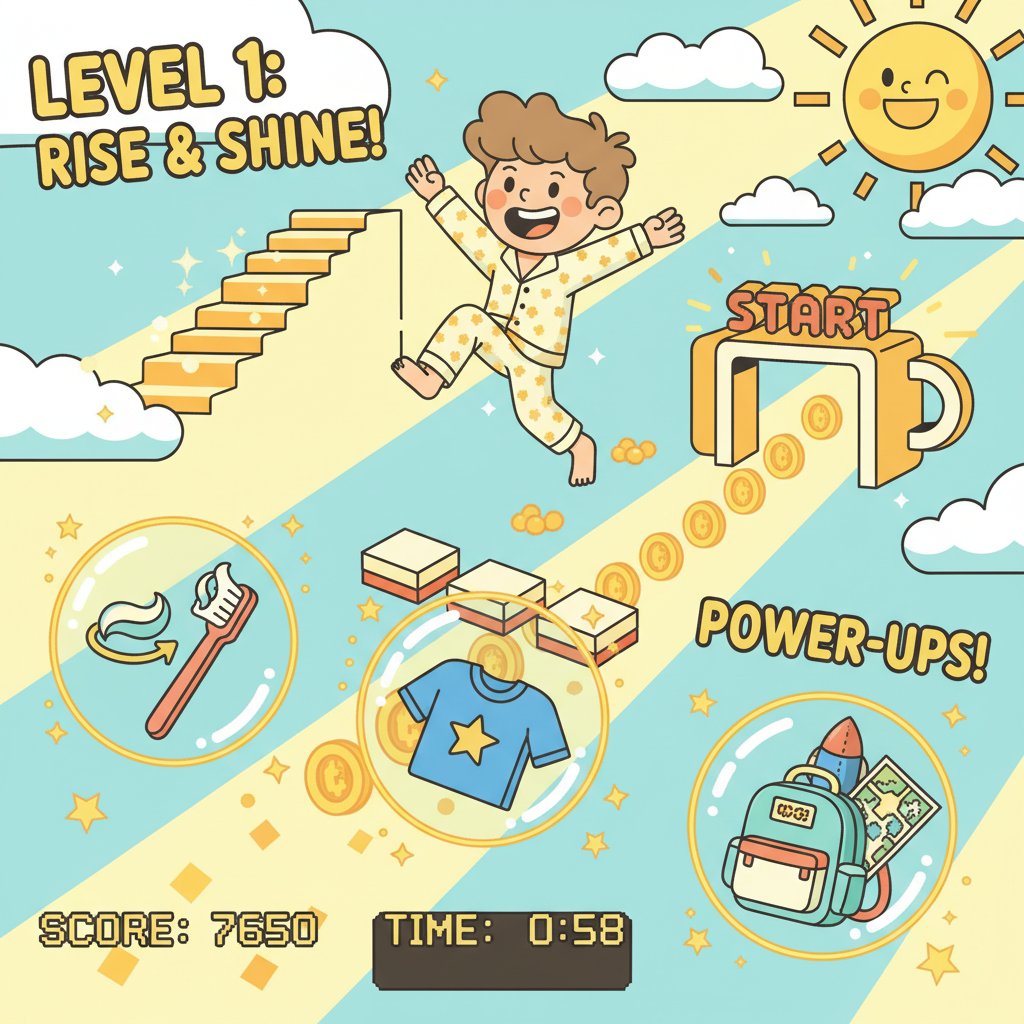
For a child with ADHD, the morning is not just a time of day—it is an obstacle course. Waking up, getting dressed, and eating breakfast requires a level of Executive Function (planning, sequencing, initiating) that is often chemically in short supply.
The ADHD brain has a dysregulated dopamine system. It struggles to "start" tasks that are boring or repetitive. This is why your child can play LEGOs for 3 hours but cannot spend 30 seconds putting on socks.
The Dopamine Deficit
Nagging ("Put your socks on!") actually decreases dopamine. It creates stress (cortisol), which might get them moving out of fear, but it leaves them frazzled and anxious for the rest of the day.
To fix mornings, we need to hack the dopamine system. We need to provide small, frequent hits of "reward" chemical for every boring task completed.
Gamification as Medicine
This is where a digital checklist shines. The act of tapping a box and seeing it turn green (or hearing a satisfying "ding") provides immediate feedback—a micro-reward that keeps the momentum going.
"Immediate rewards are crucial for ADHD brains. They bridge the gap between the action (putting on shoes) and the long-term consequence (being on time)." — ADDitude Magazine
The Protocol: 3 Steps to Success
1. Micro-Steps (Chunking)
Do not write "Get Ready." That is too big. It is a mountain. Break it down into pebbles:
- Socks
- Shirt
- Pants
- Shoes
Four ticks are better than one. Four hits of dopamine. It creates a sense of velocity.
2. The "Easy Win" First
Start the list with something they have already done or love doing, like "Wake up" or "Hug Mom." Checking that first box releases the dopamine needed to tackle the second box. It is the ignition spark.
3. Visual Momentum
Seeing a streak of green checks builds momentum. The brain wants to complete the pattern. An empty box in a sea of green is annoying; the brain wants to fill it.
Advanced Tactic: The "Dopamine Menu"
Create a "Dopamine Menu" of small rewards they can "buy" with their completed checklist points. Not big things like toys, but sensory things:
- Appetizers (Quick): 5 minutes of dance party, a special sticker, choosing the music in the car.
- Entrees (Big): 30 minutes of iPad time, a trip to the park.
The Role of "Body Doubling"
Another ADHD-friendly strategy is "Body Doubling." This is where you perform a task alongside them. You do not do it for them; you just exist in the same space doing your own task.
If you are checking off "Make Coffee" while they check off "Eat Breakfast," you are body doubling. You are co-regulating their nervous system. The presence of another person working creates gentle accountability without pressure.
Sensory Regulation
Finally, check the environment. Is the TV on? Are lights too bright? Is the tag on their shirt itchy? Often, "defiance" is actually sensory overload. A calm, visual checklist cuts through the noise and provides a single point of focus.