Summer 2026 Edition

Summer 2026: Why Your Kid Can't Sit Down for Homework
(And the 3-Step Fix)

Kids lose up to 40% of their school-year focus during summer break. Here's the routine pediatricians and teachers actually recommend — tested by 800+ families.

Download on the App Store Get it on Google Play
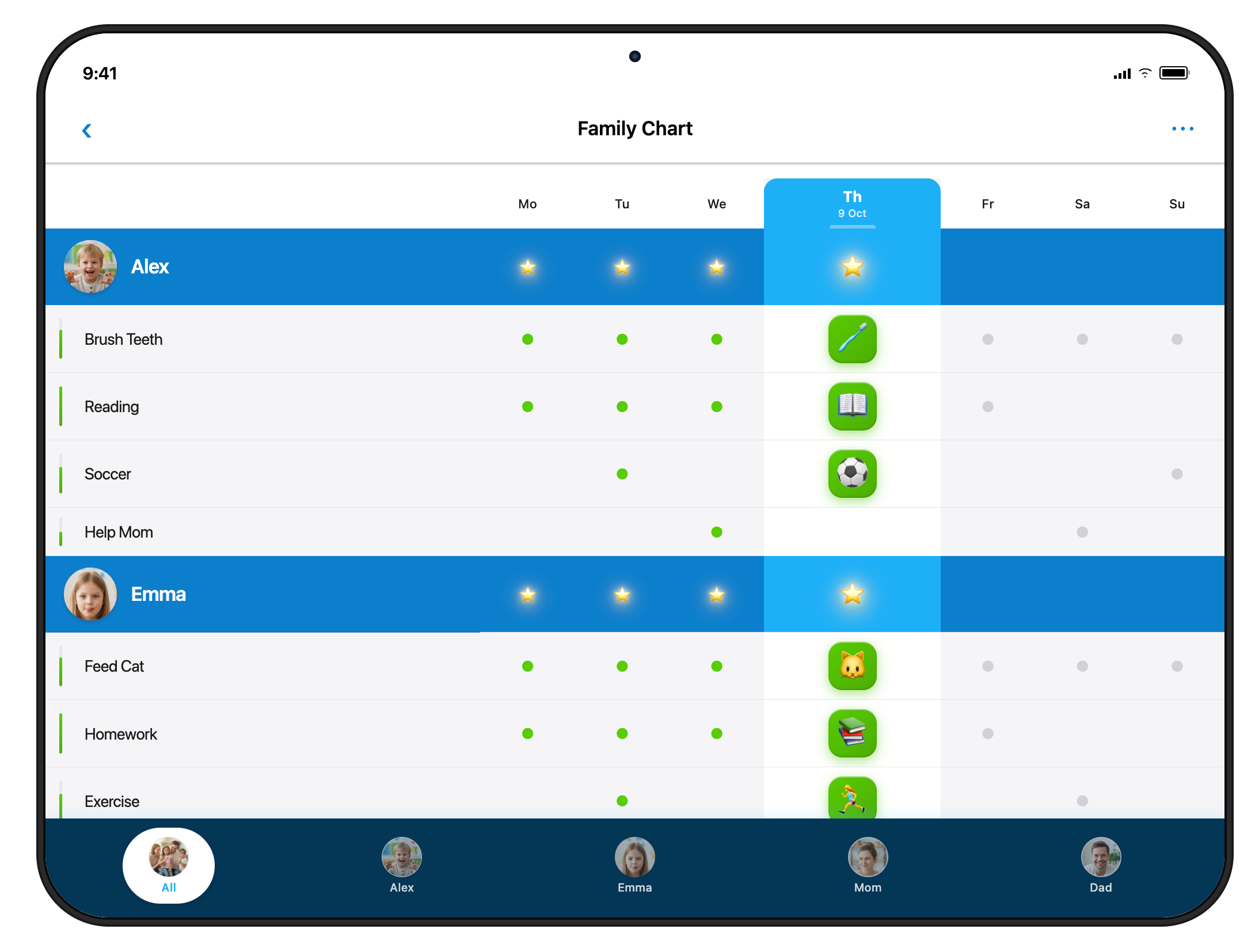
Visual focus routine app showing 3-step homework checklist

The 3-Step Focus Routine (Tested by 800+ Families)

Built on Dr. Russell Barkley's task-chunking research and the "Pomodoro for Kids" method recommended in 2025-2026 by pediatricians and elementary teachers. Same three steps every day. No willpower required.

1
[Icon: focus-step-1.svg]

Set the Stage

Same time, same place, same materials on the desk. The brain locks into "focus mode" through repetition, not motivation. Once the setup is automatic, the hardest part is done.

5 minutes setup
2
[Icon: focus-step-2.svg]

Sprint (Pomodoro for Kids)

One visible timer. 15-20 minutes of focused work. No phone, no TV, no interruptions. Task chunking this way boosts completion rates by up to 40% — proven in ADHD research.

15-20 minutes
3
[Icon: focus-step-3.svg]

Brain Break (Movement Only)

Stretch, dance, run in place, jumping jacks. No screens. Movement breaks aren't a reward — they reset the prefrontal cortex so the next sprint actually works.

5 minutes

Repeat steps 2-3 once or twice depending on age. Done. Most kids cap out at two sprints before dinner.

5 Environment Factors That Matter More Than Willpower

When parents say "my kid lacks discipline," they usually mean the environment is fighting them. Fix these five and most resistance disappears.

1

Lighting (300-500 lux at desk)

Even, glare-free light across the work surface. Research links 300-500 lux at desk height to measurable gains in reading fluency. Overhead light alone usually isn't enough — add a desk lamp.

2

Noise (predictable, not random)

Random noise raises cortisol and cuts attention by ~14 minutes per disruption. Steady instrumental music or white noise works; siblings shouting in the next room doesn't.

3

Snack and water within reach

A water bottle plus a small protein snack (nuts, cheese, fruit) on the desk. Every trip to the kitchen ends the sprint. Plan for it before the timer starts.

4

Body posture (feet flat, back supported)

Slouching on a sofa or bed correlates with disorganization and drift. Chair height so feet are flat on the floor, back supported, screen or paper at eye level — non-negotiable.

5

Screen distance and phone placement

Reading material 18-24 inches from the eyes. The kid's phone goes face-down in another room — out of sight is non-negotiable for the sprint. Yours too.

Before & After: What Changes in 2 Weeks

Realistic outcomes from families who actually ran the routine. No magic. No "transformed overnight." Just what happens when you stay with it.

Week 1

Lots of resistance. That's normal.

  • Day 1-3: Pushback. Negotiating. "I'll do it later."
  • Day 4-5: One sprint completes without nagging. Twice maybe.
  • Parent fatigue is real — most quit here. Don't.
  • The visual checklist is doing more work than your voice.
Week 2

The routine starts running itself.

  • 4 of 7 days, your kid sits down without a reminder.
  • The timer becomes their cue, not your voice.
  • You're drinking coffee while it's still hot.
  • Brain breaks turn into the part they look forward to.

"Week 1 was rough. Week 2 my 9-year-old started the timer himself. I almost cried." — Parent of one, San Diego

Frequently Asked Questions

The questions parents actually ask — and the honest answers.

How long should kids focus by age?

Pediatricians use a simple guide: roughly 2-5 minutes per year of age for sustained focus. A 6-year-old can manage 12-30 minutes on a task they like, and far less on one they don't. Preschoolers average 6-8 minutes; by age 12, sustained focus reaches about 18 minutes. The "Pomodoro for Kids" method uses 15-20 minute sprints because that's the realistic ceiling for most school-age children.

Is this routine appropriate for kids with ADHD?

Yes. The 3-step structure is built on Dr. Russell Barkley's research, which shows ADHD kids function about 30% behind peers in executive function. Task chunking — breaking a 30-minute assignment into three 10-minute segments with checkpoints — can boost completion rates by up to 40%. Movement breaks aren't rewards in ADHD-friendly routines; they're regulatory tools that help the brain reset between sprints.

What if my kid refuses to start?

Resistance in week one is normal and expected — about 4 of 5 families see pushback for the first 5-7 days. The fix isn't more pressure. Shrink the first sprint to 5 minutes. Let your child pick the start time within a 30-minute window. Place the visual checklist where they can see it without you mentioning it. The routine becomes their idea, not your demand.

Does this work in summer with no school?

Especially in summer. National studies tracking 18 million students found kids can lose up to 40% of a school year's learning over summer break, and 52% of grades 1-6 experience measurable summer slide. A 20-minute daily focus sprint on reading, math, or a creative project prevents most of that regression. Summer is when the routine matters most because there's no classroom structure backing it up.

What's the difference between focus and discipline?

Discipline is willpower — finite, exhausting, and unreliable in a 7-year-old. Focus is environmental and procedural — it's built by lighting, timing, location, and predictability. When parents say "my kid lacks discipline," they usually mean the environment is fighting them. Fix the environment, follow the 3-step routine, and the discipline question quietly goes away.

What 800+ Families Tell Us

"Week 1 was a mess. Week 2, my 8-year-old set the timer himself for the first time. I cried in the kitchen and didn't tell him."

Megan L.
Mom of 8yo, Austin TX

"The 3 sprints + 5-min break was the unlock for my ADHD kid. We went from 90-minute homework battles to 35 minutes, no shouting."

David K.
Dad of 10yo (ADHD), Toronto

"Summer 2026 was the test. School ended, my kid forgot how to sit still. The visible timer brought her back in 10 days."

Priya S.
Mom of 9yo, London

Related Reading

Summer Bedtime Routine → The 7-step routine. Focus starts the night before. The 21-Day Myth → Why focus takes 66 days to lock in, not 21. Kids Screen Time Summer 2026 → The single biggest obstacle to homework focus.

Start the 3-Step Routine This Week

The app builds the visual checklist, runs the kid-friendly Pomodoro timer, and tracks the sprints so you don't have to.

Download on the App Store Get it on Google Play

Free to download. iOS and Android. No credit card.

Start the 3-Step Focus Routine this summer Try Family Checklist — Free