Why Japanese Parents Send 4-Year-Olds on Solo Errands (And What You Can Learn)
A 3-year-old walks alone to the grocery store, shopping list in hand. No parent in sight. In Japan, this is normal TV. In the West, it's a CPS call. What do they know that we don't?
Research current as of March 2026. All sources linked below.
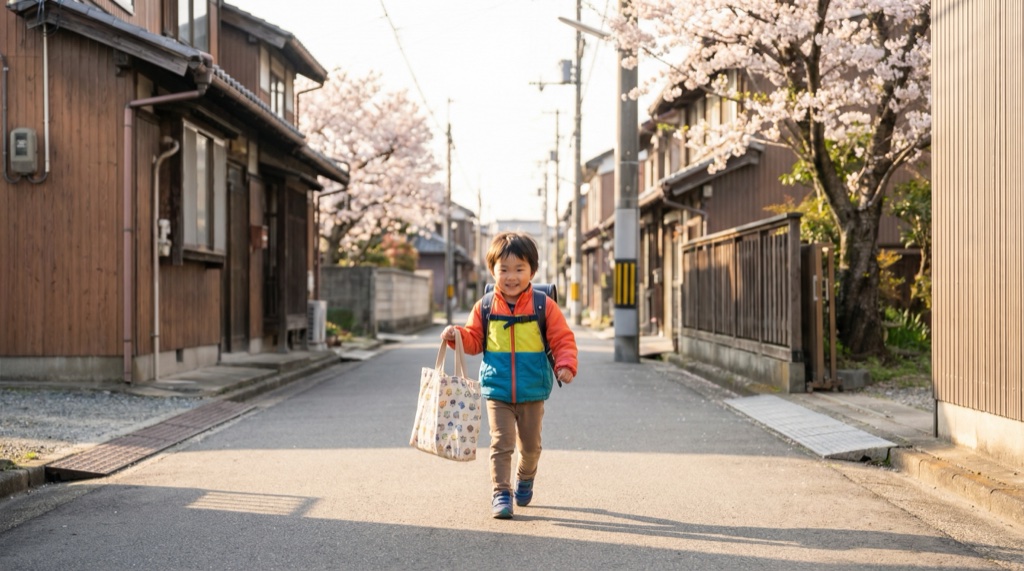
The Show That Shocked Netflix Viewers
In 2022, Netflix released "Old Enough!" to international audiences. Western parents lost their minds.
The show, called "Hajimete no Otsukai" (はじめてのおつかい = "My First Errand") in Japan, has been running since 1991. For over 30 years, Japanese families have watched toddlers—some as young as 2—complete solo errands.
A 4-year-old buying groceries. A 3-year-old walking 15 minutes to deliver flowers. A 5-year-old navigating public transit alone.
Western reaction: "This is insane. Where are the parents?"
Japanese reaction: "Cute. My kid did that last week."
はじめてのおつかい
"Hajimete no Otsukai" — literally "First Errand." A TV show that's been airing in Japan since 1991, featuring children ages 2-6 completing their first solo errand. Hidden cameras follow, but the kids don't know.
This Isn't Dangerous Parenting. It's Different Parenting.
Before you call child services, let's be clear: Japan has the context for this.
Extremely low crime rates. Communities designed for pedestrians. Neighbors who watch out for kids. A culture where independence is a core value, not a risk to manage.
You can't copy this exactly in most American suburbs. That's not the point.
The point is what the show reveals about how we think about independence.
The Independence Gap
Japanese children are expected to do things alone earlier. Walk to school by age 6. Clean classrooms. Prepare their own lunch boxes. Navigate public spaces.
American children in 2026? Many 12-year-olds have never walked to a friend's house alone.
The gap isn't about safety. It's about what we believe kids are capable of.
What Japanese Kids Do Solo (at ages that shock Western parents)
- Age 3-4: Simple errands to nearby shops with clear instructions
- Age 6: Walk to school (often in groups, but without adult supervision)
- Age 6-7: Clean their own classroom, serve school lunch to classmates
- Age 8-10: Navigate public transit independently
The Secret: Structure, Not Freedom
Here's what most Western viewers miss about "Hajimete no Otsukai."
These aren't kids running wild. These are kids given extremely clear, structured tasks.
- Go to this specific store
- Buy these exact items
- Pay with this money
- Come straight home
The errand isn't "go figure it out." It's "follow these steps."
The parents practice the route. The shopkeepers know the kids are coming. The task is simple enough to succeed, but challenging enough to grow.
This isn't about letting go. It's about setting up success.
"Independence isn't something you give children. It's something you build with them, one task at a time."
What You Can Actually Use
You're not sending your 3-year-old to the store alone. That's fine. But you can use the same principles.
1. Clear, Simple Tasks
Japanese first errands are stupidly simple. Buy milk. Return a pot to the neighbor. Get stamps at the post office.
The task isn't the point. The completion is.
At home: "Put your shoes by the door" is better than "clean your room." One task, one outcome, zero confusion.
2. Visual Instructions
Kids on the show often carry lists. Pictures for the youngest ones. Written words for older kids. They know exactly what they're looking for.
At home: A visual checklist beats verbal instructions every time. Kids can check their own progress. You don't have to repeat yourself.
3. Real Responsibility, Real Stakes
The errands on the show matter. The family actually needs those groceries. Grandma actually needs those flowers delivered.
Kids know the difference between fake tasks and real ones. Real stakes create real engagement.
At home: "Set the table because we're eating in 10 minutes" beats "practice setting the table for fun."
4. Trust, But Verify
The TV show has hidden cameras. In real life, Japanese parents call ahead to stores. Neighbors are on alert.
This isn't blind trust. It's trust with a safety net.
At home: Let them do tasks independently, but check the result. Over time, check less.
The Confidence Loop
Here's what happens when kids complete tasks alone:
- They succeed at something small
- They feel capable
- They try something slightly harder
- They succeed again
- Repeat
This is how confidence builds. Not from praise. From proof.
A kid who has set the table 100 times knows they can set the table. No encouragement needed. The evidence is in their hands.
Start Smaller Than You Think
You don't need Japanese crime rates or neighborhood shops to build independence. You need:
- One clear task they can do alone
- Visual instructions so they don't need you
- Real purpose so it matters
- Consistent repetition so it becomes automatic
A 4-year-old can't walk to the grocery store alone in most American cities. But they can:
- Get dressed without help (with a visual morning routine)
- Set the table for dinner
- Pack their own school bag
- Feed the pet
- Put dirty clothes in the hamper
None of this is impressive. All of it builds the same muscle.
The Real Lesson
Japanese parents don't think their kids are more capable than yours. They just start proving it earlier.
Independence isn't something kids have or don't have. It's something they practice. And practice requires tasks.
Clear tasks. Simple tasks. Age-appropriate tasks with structure.
You can't control whether your neighborhood is safe enough for solo errands. But you can control whether your kid wakes up knowing exactly what to do.
That's where independence starts.
Related Reading
- Age-Appropriate Chores: 6 to 14 — What kids can handle at each developmental stage
- Visual Cues vs Verbal Instructions — Why Japanese kids carry picture lists
- The Science of Modeling — Kids learn by watching, not listening
Give Them Tasks They Can Own
Family Checklist turns daily routines into visual checklists kids complete independently. The same principle, adapted for your reality.
Try It Free